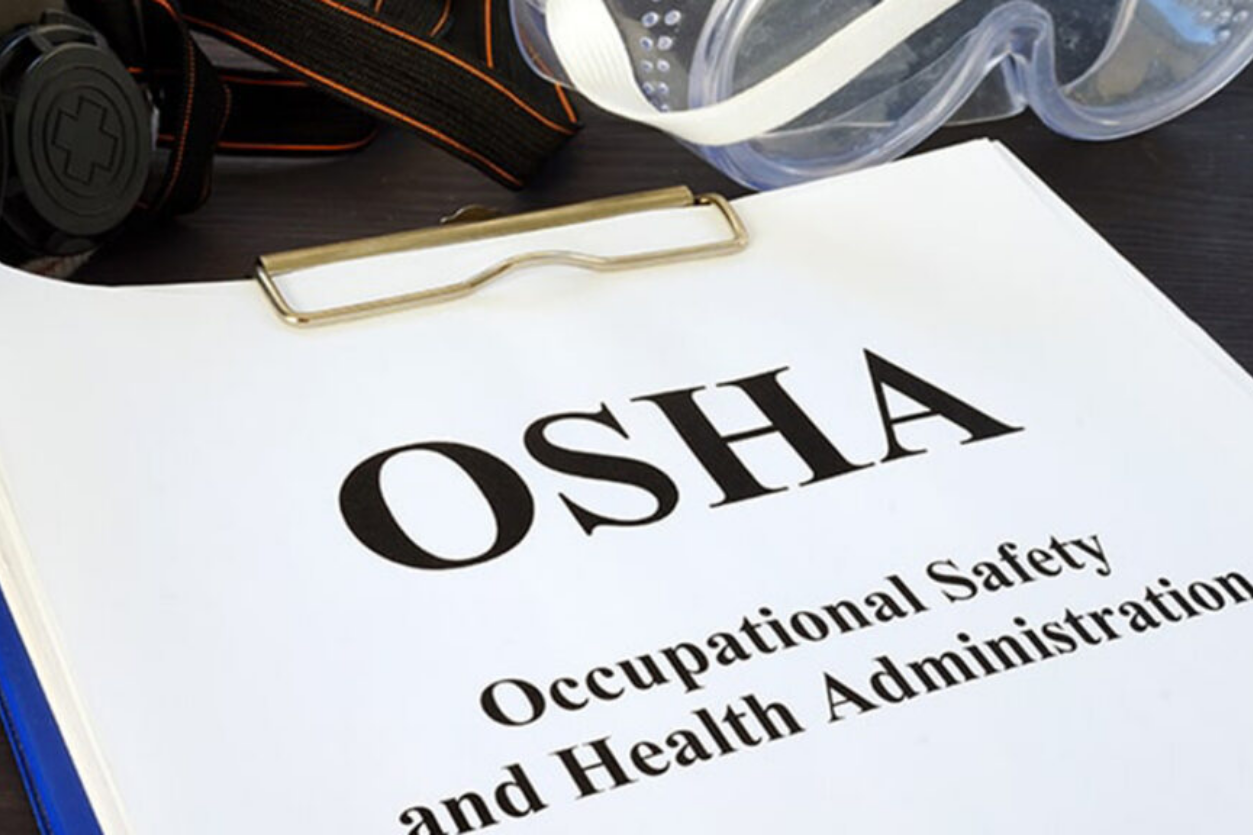
There’s been a lot of confusion about OSHA and heat regulations lately, and it’s worth clearing up before summer inspections start. The short version: the proposed federal heat standard—the one that would create nationwide rules with specific triggers at 80°F and 90°F heat index—has stalled. There’s no target date for finalization. But something else did change, and facility managers should pay attention to it.
What Actually Happened in April 2026
On April 10, 2026, OSHA relaunched its National Emphasis Program (NEP) for outdoor and indoor heat-related hazards. It’s effective immediately and will remain in place for five years, through 2031.
The NEP isn’t a new regulation. It’s an enforcement directive that tells OSHA compliance officers where to focus their attention. And under the updated version, they can now conduct random inspections in high-risk industries on days when the National Weather Service issues a heat advisory or warning—no incident or complaint required.
That’s the practical change. If your facility is in one of the 55 targeted high-hazard industries and it’s a heat advisory day, an inspector can show up. That includes indoor operations—not just outdoor construction and agriculture.
Which Facilities Are Actually Covered
The NEP explicitly covers indoor environments with heat exposure, which is a shift from how a lot of people still think about heat safety. Indoor environments with radiant heat sources—industrial kitchens, manufacturing floors, bakeries, warehouses—are explicitly covered.
Manufacturing, warehousing, food processing, restaurants, and agriculture are all on the list. If workers in your facility are performing physically demanding work in warm conditions, it’s safer to assume you’re in scope than to bet you’re not.
What OSHA Expects to See
There’s still no specific federal standard, so enforcement runs through the General Duty Clause and the NEP’s evaluation framework. In practice, that means OSHA inspectors are looking for a written heat illness prevention program, documented acclimatization procedures for new and returning workers, access to water and rest breaks, training records, and monitoring of workplace conditions.
The states that already have their own heat standards—California, Colorado, Maryland, Minnesota, Nevada, Oregon, and Washington—have more specific requirements, and if you operate in any of those, state rules apply regardless of what the federal picture looks like.
Where Airflow Fits Into Heat Safety
This is where facility managers often get the wrong idea. Fans aren’t a substitute for the rest of a heat safety program. In fact, during the OSHA hearings on the proposed rule, witnesses specifically warned that blowing hot air can actually make things worse in extreme conditions. Once the air temperature exceeds body temperature—roughly 100°F—moving that air across workers doesn’t cool them anymore. It can accelerate dehydration instead.
That said, in the temperature ranges most indoor facilities actually deal with—the 80-to-95°F range where most heat stress occurs—consistent air movement is a real and measurable part of a heat safety program. Moving air helps sweat evaporate, breaks up hot pockets around equipment, and improves overall comfort on the floor. It’s not a full solution on its own, but it’s a meaningful part of one.
Where HVLS Fans Actually Help
For indoor facilities in the range where fans genuinely help, HVLS fans are usually the most effective airflow option. They cover large areas, run at low cost, and work alongside HVAC or evaporative cooling to distribute conditioned air across the floor. In manufacturing plants, warehouses, and other high-ceiling facilities, they help break up heat that collects around equipment or in stagnant zones.
Combined with water access, rest breaks, and acclimatization procedures, they’re part of what a defensible heat safety program looks like on the floor.
Get Ready Before Summer Peaks
Whether or not the federal standard eventually finalizes, enforcement is already active. The updated NEP gives OSHA more room to inspect, and heat-related citations under the General Duty Clause have been rising for several years.
A good starting point is reviewing whatever heat program you have in writing, making sure training records are current, and looking at whether your facility’s airflow actually reaches the areas where workers are exposed to the most heat. AmeriWind can help evaluate airflow coverage in indoor facilities and design layouts that fit into a broader heat safety program.