
Livestock fans aren’t what they used to be. Even ten years ago, most barns were running basic box fans or panel fans bolted to the wall, and that was about it. Today, the options are wider, the technology is better, and the way fans get used has evolved alongside the way modern barns are designed. If you’re looking at fans in 2026, here’s what’s actually worth thinking about.
Why Airflow Matters More in Modern Barns
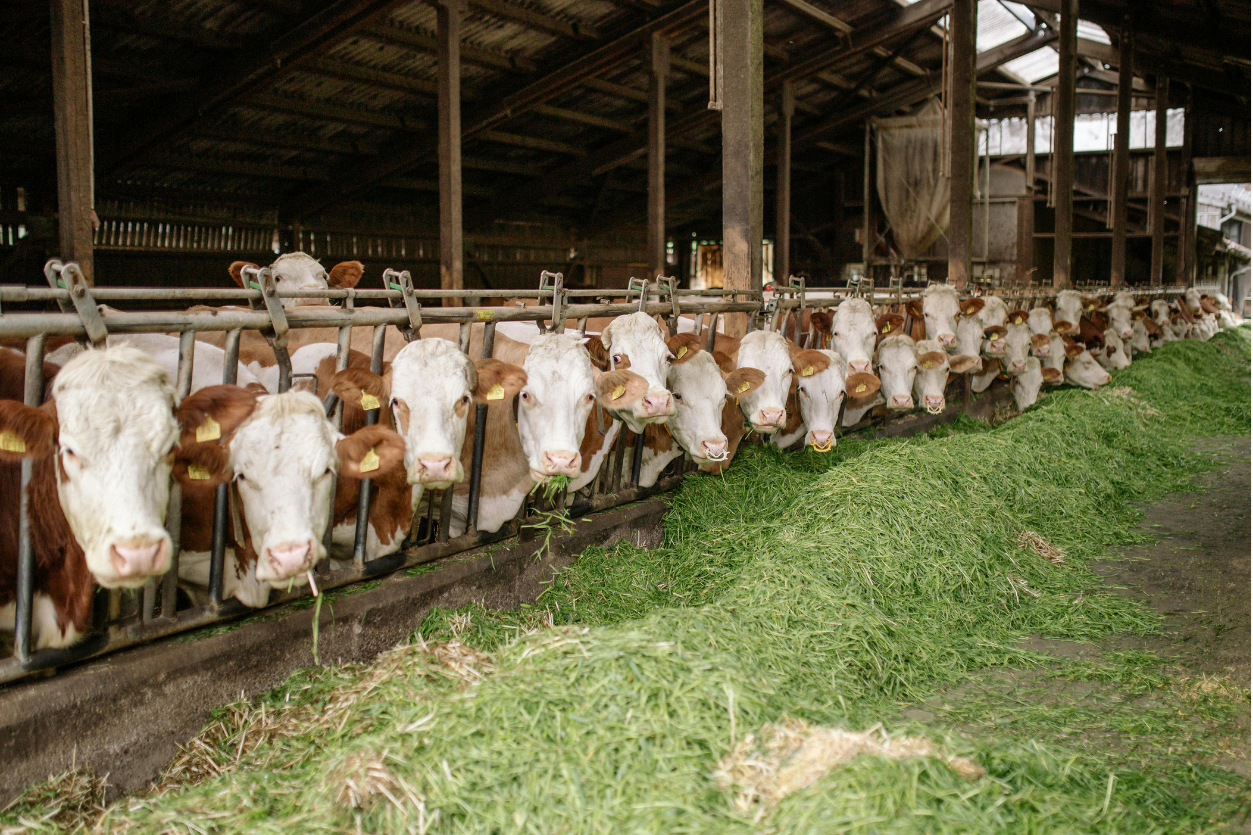
Newer barns are built tighter than they used to be. Better insulation, more enclosed designs, and higher animal density all create environments where airflow doesn’t happen naturally the way it did in older, drafty buildings. That’s not a bad thing—tighter barns are more controllable—but it does mean ventilation has to be planned rather than assumed.
At the same time, cattle and other livestock values are at historic highs. When each animal represents more financial value, the cost of heat stress, poor air quality, or wet bedding goes up too. Airflow has moved from a nice-to-have to a real part of barn management.
The Main Fan Types Worth Knowing
Three main fan types tend to show up in livestock operations. Panel fans push directional air across stalls and feed alleys. They’re useful where you need long, rectangular airflow patterns. Box and basket fans are smaller, simpler, and often used for spot cooling or supplemental airflow. HVLS fans are the large ceiling-mounted fans that move massive volumes of air at slow speeds, which works especially well over bedding packs and open barn floors.
Most modern barns end up using more than one type. Panel fans over stalls, HVLS over packs, with controls that let the system respond to temperature throughout the day.
What to Look For in 2026
A few features have become standard expectations rather than premium add-ons. Variable speed control lets the fan ramp up and down based on conditions, which saves power and reduces wear. Direct drive motors have largely replaced older gearbox designs because they’re quieter and lower maintenance. Sealed motors and corrosion-resistant materials matter more than ever, especially in dairy barns and humid climates.
Smart controls are also becoming common. Being able to set temperature-based ramp profiles—starting at one setpoint, reaching full speed at another—takes the daily management out of running the fans.
Sizing for the Barn You Actually Have
Barn airflow depends on more than just square footage. Ceiling height, layout, animal type, and whether the barn is bedded pack or freestall all affect what fans make sense. A 60-foot wide pole barn with 14-foot sidewalls needs a different setup than a 100-foot freestall barn with 16-foot ceilings.
Bigger isn’t always better either. A properly sized fan that matches the building tends to outperform a larger fan that doesn’t have the room to operate well.
Durability Is Non-Negotiable
Barn environments are tough on equipment. Dust, ammonia, humidity, and temperature swings all wear on motors and components. Fans built specifically for agricultural use are designed to handle those conditions, which is why ag-rated fans usually last significantly longer than commercial fans pressed into barn duty.
When comparing options, ask about the warranty, the motor sealing, and how the fan holds up in barn conditions specifically. Those details separate fans that last a few years from fans that last 15.
What Producers Are Actually Buying
The biggest shift in the last few years has been toward mixed systems and smarter controls. Producers aren’t picking one fan style and calling it done—they’re matching fan types to specific zones of the barn and letting controls handle the rest.
AmeriWind works with producers to design systems that fit the actual barn—not a generic recommendation. Sharing dimensions, ceiling height, and stall or pack layout is the fastest way to get a real plan.