
Big Ceiling Fans For Warehouses and Manufacturing
Prevent Condensation with Warehouse Ceiling Fans
Hot work areas?
Poor circulation?
Do you struggle with air circulation in large buildings? Do your employees complain about noisy floor fans? Our commercial warehouse ceiling fans can help circulate air quietly while saving on your electricity bills.
Big Fan
Features
- Stay cool without AC.
- Save electricity.
- Reduce condensation.
- Reduce employee turnover.
- Variable for any temperature.
- No guy wire installs available.
- Friendly PA Dutch support.
Why industrial ceiling fans?
High-volume industrial ceiling fans are a cost-effective and energy-efficient way to deal with extreme heat or cold in your warehouse or industrial facility. Choose the right one and you’ll have consistent, quiet, and highly effective airflow that will keep your employees happy and productive.
When keeping large workspaces airy and comfy, large industrial fans work. The advantage is they blow more air compared to their smaller counterparts. These big fans aren’t just effective at moving air; they also effectively beat the heat. They’re built to handle large spaces; that’s why they cool off an area faster.
They cost more than small fans upfront, but they save you cash with time. They’re energy-saving game changers since they cool down large areas without racking up a hefty energy bill. It means the savings on your energy costs can add up, balancing out the initial price tag. Plus, they’re durable. They don’t break down quickly, meaning you won’t be spending money on fixes or new fans every few years.
In terms of safety, better air movement without extension cords on the floor or pedestals is a win. Lastly, bigger fans are quieter. It means you’ll have a better place to work where people can stay focused on the job.
In the world of industrial ceiling fans, variety is the name of the game. You've got your high-volume, low-speed (HVLS) fans, which are great for those big warehouses with plenty of headroom. They cover a big area. For small spots with low ceilings, standard industrial fans are the way to go. They fit in less spacious areas.
Directional fans are your go-to if you want to send a cool breeze exactly where you need it. They often work well with HVLS or standard fans to zone in on hot spots that need extra attention. Whether you're dealing with a sprawling space or a compact area, there's a fan for your warehouse's unique needs.
When picking out a commercial fan for your warehouse, there are some cool features and key points to think about.
Size
HVLS ceiling fans usually measure 8 feet to 30 feet in diameter. The size you select is usually determined by the dimensions of the building in which they will be installed. The most enormous fans can provide up to 25,000 square feet of air circulation coverage.
Technological Features
Many HVLS fans are capable of much more than just circulating air. Industrial ceiling fans can be integrated with other building systems, such as security, HVAC, and fire suppression. Our fans come with either wired or wireless remote controls.
Safety
An industrial ceiling fan is the type of equipment most people install and then forget about. It runs, does its job, and you don't have to be concerned about it. However, because high-volume industrial ceiling fans are large and heavy, they must be completely secure. Some HVLS fans include various safety features, including redundant features that provide additional protection if any part fails.
Noise level
Small, noisy pedestal fans can be quite loud and disruptive. You want a quiet fan for quiet areas. Premium HVLS fans, particularly those with industrial direct-drive motors, are designed to be quiet.
The fan blades should be higher than the sidewall curtain openings in freestall dairy barns. The blade may bend under windy circumstances. This is why we developed the FanChief to turn off the fans when windy. The diameter of HVLS fans normally ranges from 8 feet to 24 feet, with the smaller models proving to be more resilient to wind damage.
When placing fans within a barn, keep in mind that cows will often concentrate in locations like scraping alleyways where the air is coolest, making it difficult for them to move around and cause obstructions.
Avoid putting a fan just under a light fixture. It can make a strobe light effect.
Speak with a ventilation consultant, simply by calling us. Get help determining the optimal configuration and size of HVLS fans for both you and your cows
Warehouse ceiling fans are quite big, so naturally, you might think they'd use a lot of energy. It's actually not the case. The amount of energy they use depends on a few things: the fan's size, its model, and how fast you've got it running. What's neat about these fans is their ability to save energy at lower speeds. They're not energy hogs like air conditioners. Over the long haul, they can cut costs for businesses.
Wondering how long a warehouse fan keeps working? It's not just about time; it's about how you treat it. Crash it into things, and it'll give up sooner. Keep forklifts away and over voltages away from it , and it will last a long time. We build our fans for a 20 year life in mind to keep your warehouse cool for a long time. The secret is not hitting it and installing lightning/ overvoltage protection
Putting up an industrial ceiling fan might seem like a cool DIY project. Although it's doable, it's probably not the best idea if you are not mechanically inclined. Reputable mechanical contractors can install fans smoothly. It's a smart move to call in a pro – an electrician who knows exactly what they're doing. They'll ensure your fan is set up safely, so it works its best and doesn't cause any trouble.
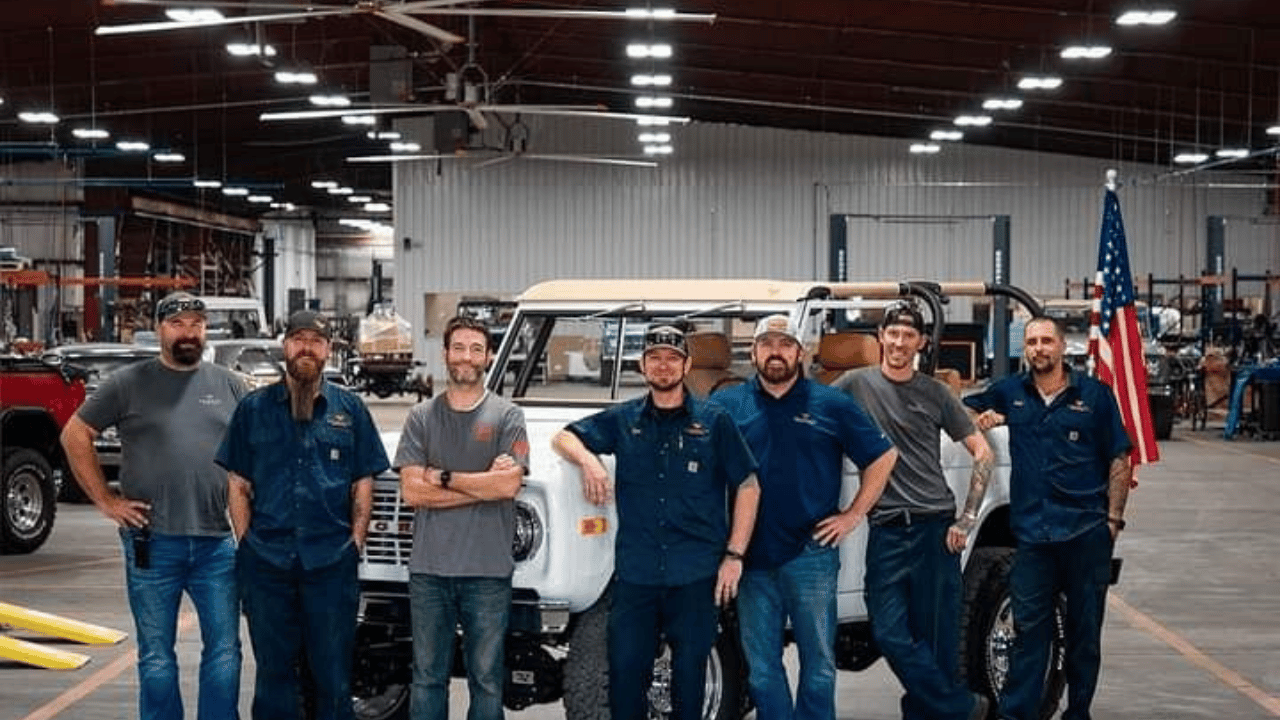
Need help picking and installing an HVLS fan? Don't sweat! The AmeriWind team is ready to help. We're just a message away. Just give us a shout, and we'll take it from there. You deserve the best!
Our Fans