Large Ceiling Fans – Everything You Need to Know
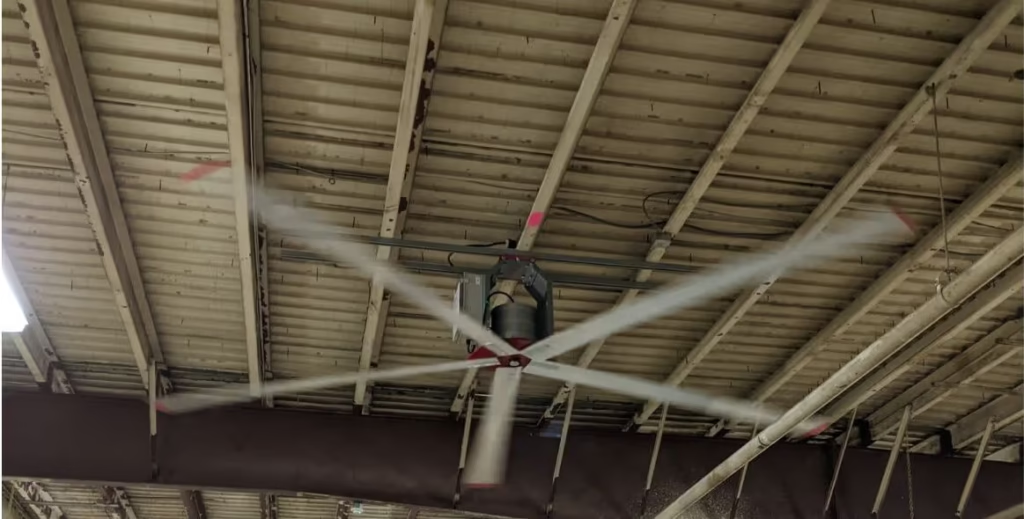
For large spaces, big ceiling fans—HVLS fans—are often better because they move more air at lower speeds, improve comfort, and can reduce energy costs—often replacing multiple smaller fans and complementing existing HVAC systems. Quick Takeaways Why Big Ceiling Fans (HVLS) Belong in Your Space Keeping your space cool is essential for comfort and productivity. Large […]
What Is The Price Of A Large Industrial Fan?
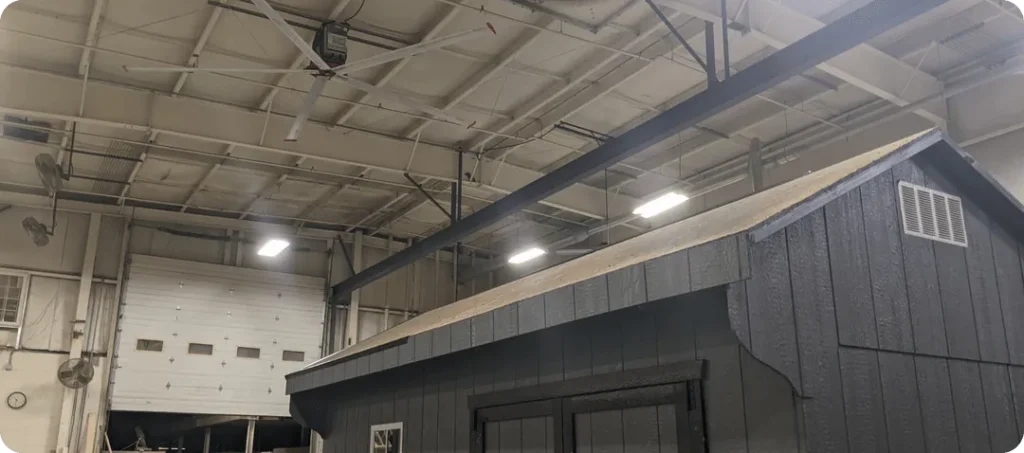
Many buyers are surprised when they first learn how much industrial ceiling fans cost. Why are industrial fans so much more expensive than standard models? Are they worth the money? Below you’ll find the real-world price range, the factors that drive cost, and how to evaluate ROI so you can decide with confidence. Quick Answer: […]
How to Prepare Your Facility for Heat Waves
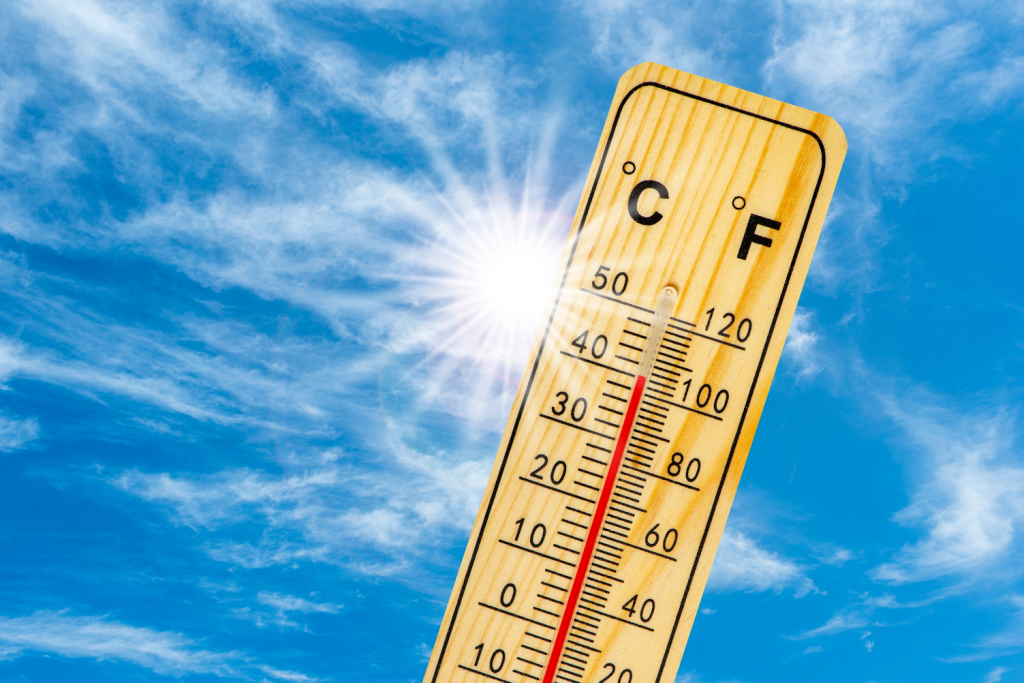
Heat waves can take a toll on both productivity and equipment in agricultural and industrial settings. Preparing your facility ahead of time ensures you can maintain operations without major setbacks when temperatures soar.
Be Aware of These 6 Industrial Ceiling Fan Safety Hazards
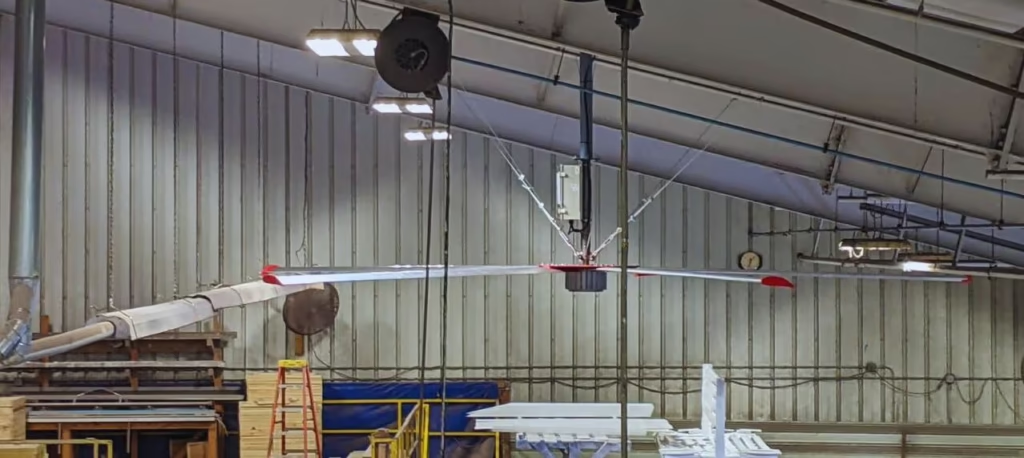
The most important thing is to keep you and your employees safe around the rotating blades of industrial fans. Beyond obvious blade hazards, there are several additional risks to consider in warehouses, factories, and distribution centers. In this guide, we cover six problems with using fans—and practical fixes to keep your workplace safe. Quick Takeaways […]
5 Lessons from Real-Life Barn Ventilation That Can Improve Cow Comfort and Efficiency
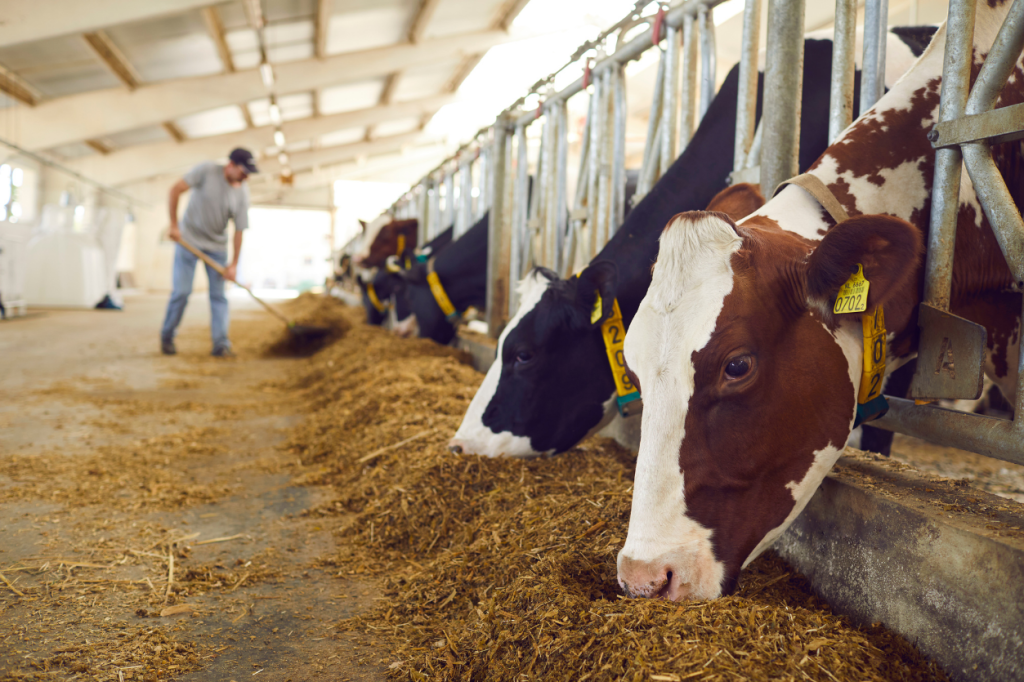
The visit revealed five key lessons that every dairy farmer can apply, whether you’re considering a new barn build or looking to optimize your existing ventilation system.
HVLS Fans vs. Portable Fans: Which One Saves You More in 5 Years?
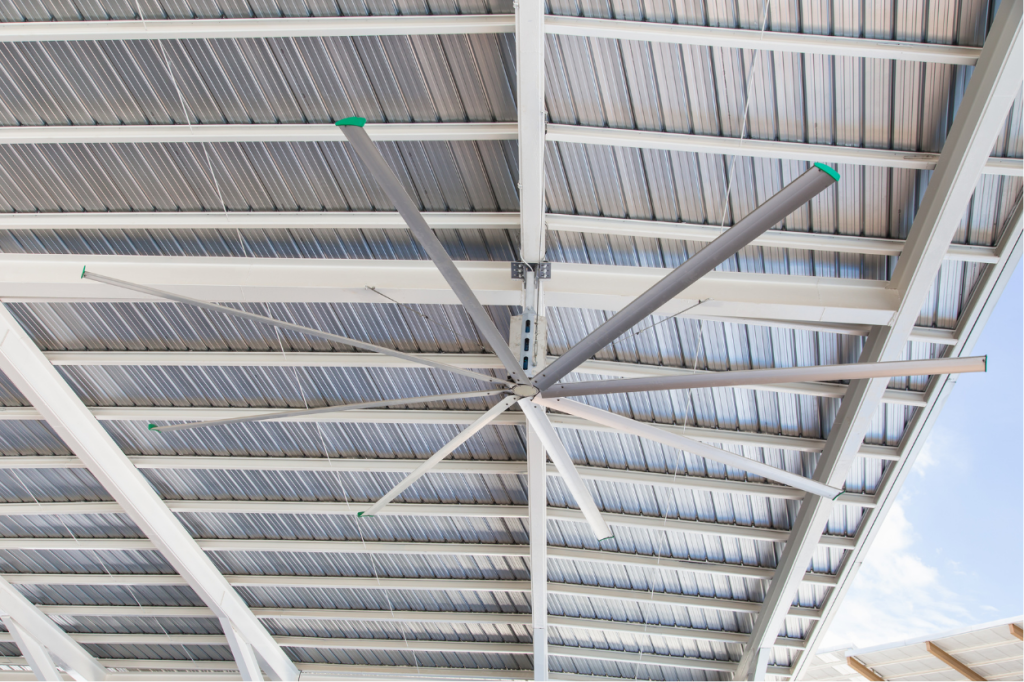
While portable fans may seem budget-friendly at the start, HVLS fans generally win in efficiency, coverage, and longevity over the long haul.
How to Keep Your Gym Cool
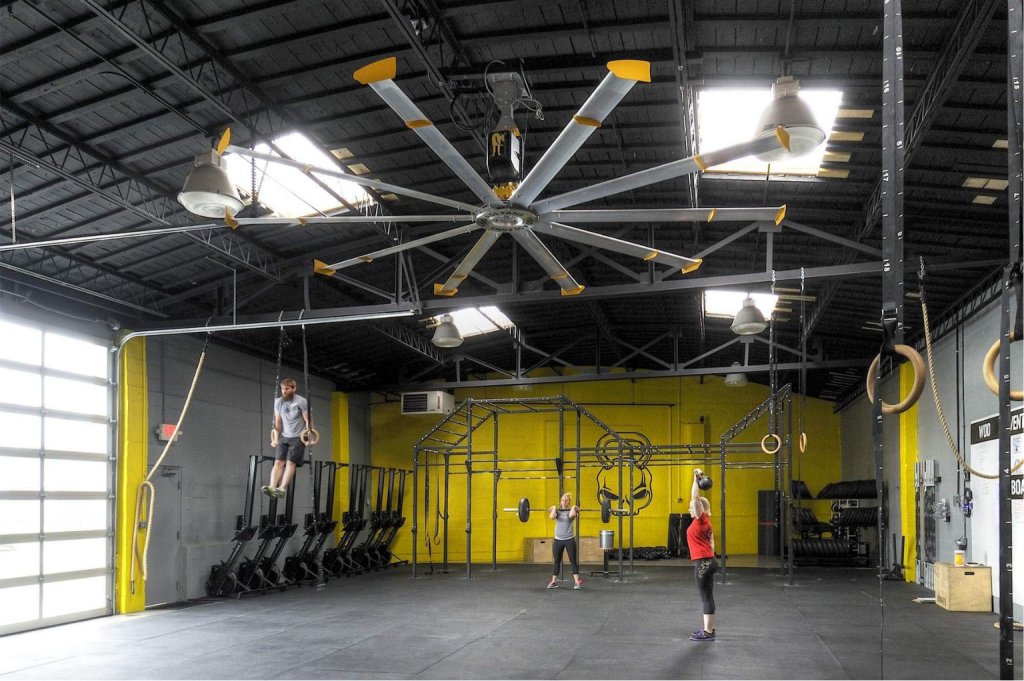
Gyms and fitness centers face unique cooling challenges due to high activity levels, heat-producing equipment, and dense occupancy, especially during the summer months. Managing heat and airflow effectively is essential for member comfort and satisfaction.
When Should You Run Your HVLS Fan in Reverse?

HVLS fans are well-known for their ability to improve comfort during warm weather, but many facility managers overlook the benefits of using reverse mode during colder months. Understanding when and how to utilize the reverse function can help maximize comfort and energy efficiency year-round.
Do HVLS Fans Work in Data Centers?

In facilities where airflow stagnation causes localized overheating, HVLS fans help mix and distribute cool air, ensuring all equipment remains within safe temperature ranges while reducing operational strain on cooling infrastructure.
What Does HVLS Fan Stand For?
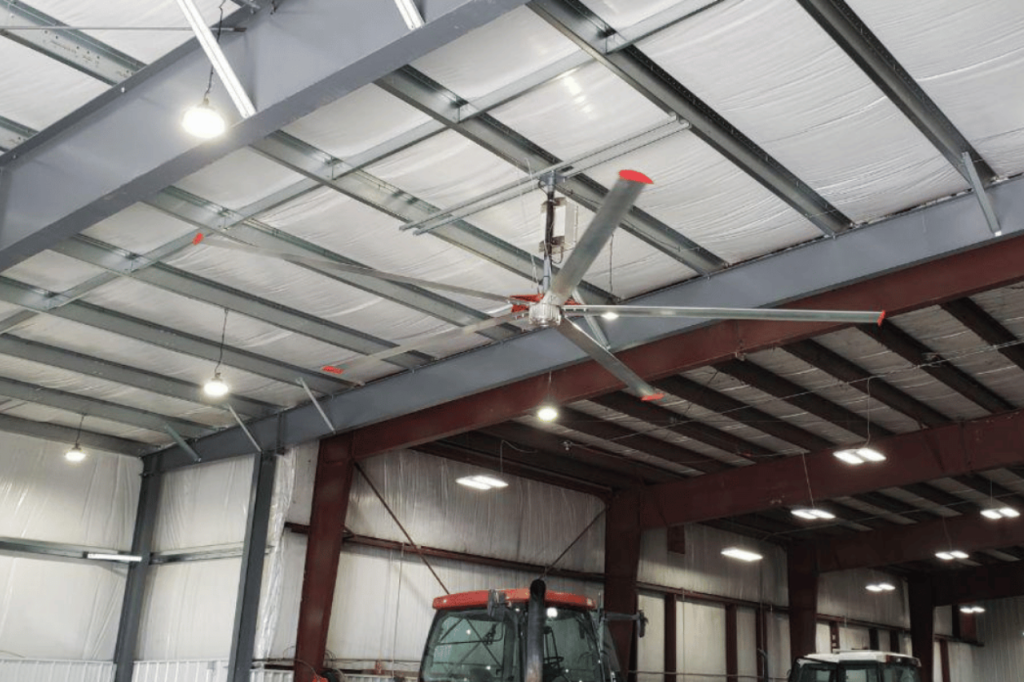
HVLS stands for High-Volume, Low-Speed, accurately describing how these fans operate. They use large, slow-moving blades to push a high volume of air across large spaces gently and consistently, unlike smaller high-speed fans that produce a focused breeze in a small area.