

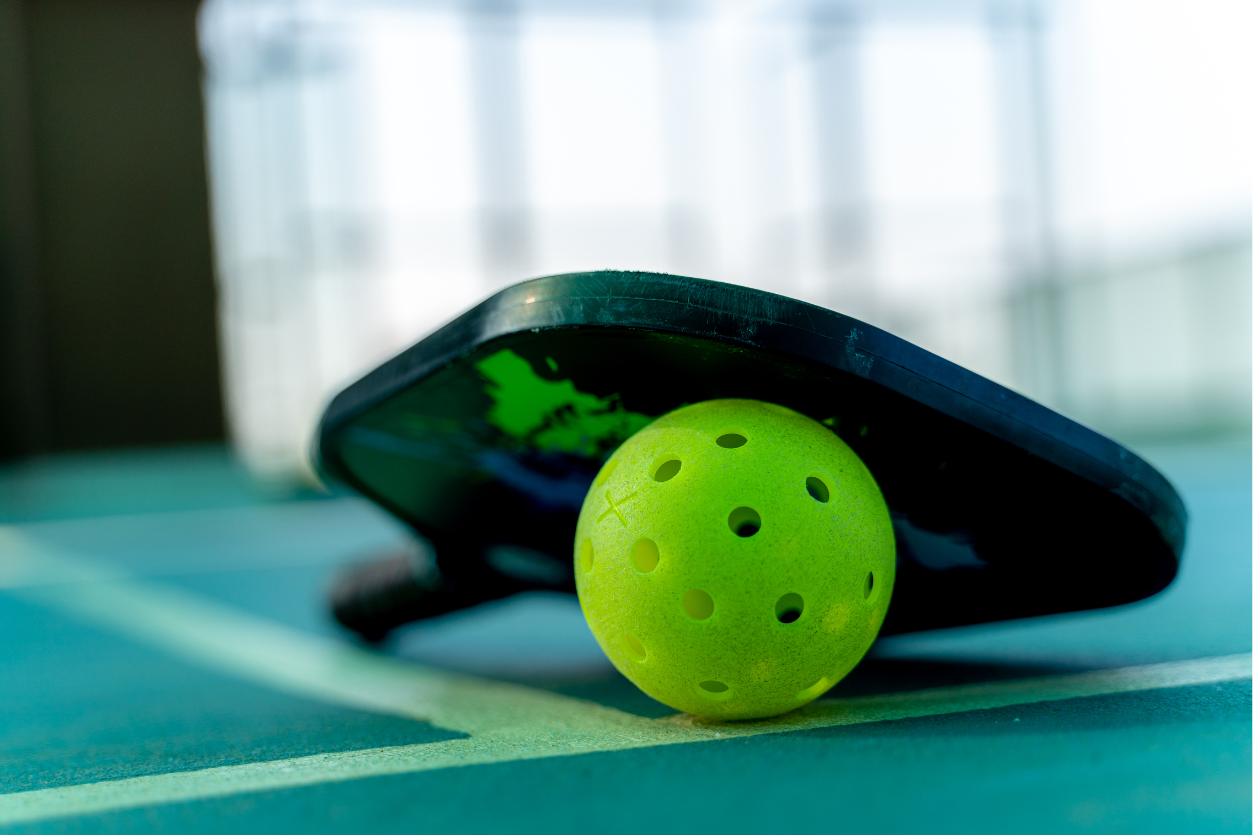
Indoor pickleball has grown so fast that a lot of the facilities hosting it weren’t originally designed for it. Old warehouses, converted tennis clubs, gyms with retrofitted courts—they all work, but they weren’t built with the airflow needs of an active racquet sport in mind. Which is why so many indoor pickleball facilities end up feeling hot, stuffy, and hard to play in during summer.
Why Pickleball Courts Get So Hot
A pickleball court packs a lot of activity into a small space. Players move constantly, and even a casual game generates real body heat. Multiply that across six or eight courts running at once, and the heat load inside the building adds up fast.
Most indoor courts are in buildings with high ceilings—converted warehouses, sports facilities, dedicated pickleball venues—which sounds like it should help with heat, but it doesn’t always. High ceilings collect warm air at the top while the court floor stays stuffy. Without something moving that air around, players end up sweating through the game while cooler air sits unused twenty feet above them.
What HVLS Fans Do on a Court
HVLS fans work well in these spaces because they move large volumes of air at slow, steady speeds. That matters for pickleball for two specific reasons. First, the air movement helps evaporate sweat and keeps players cooler even without lowering the actual temperature. Second, and this is the concern that comes up most often, slow airflow doesn’t disrupt ball flight the way a stronger fan would.
A pickleball is light—about 0.9 ounces—and susceptible to any strong crosswind. That’s why placing fans matters. HVLS fans work well because their airflow moves downward in a column rather than sideways, so it doesn’t push the ball off its trajectory during play. Fans placed thoughtfully over the space between courts, rather than directly over the court itself, give the best results.
The Air Quality Side
Beyond heat, the other issue in indoor pickleball facilities is air quality. Bodies generate humidity. Sweat, breathing, and body heat all add moisture to the air. When the air doesn’t move, that moisture settles into pockets and the whole space starts to feel heavy.
Consistent airflow helps break that up. It keeps humidity from concentrating, reduces stuffiness, and makes the space more comfortable to spend time in—both during games and in the seating areas between courts.
Winter Use Too
Facilities that install HVLS fans for summer often end up running them in winter as well. Warm air rises, and in a building with 20-foot or 30-foot ceilings, that means the court floor can feel cold even when the heating system is running hard. Running an HVLS fan at low speed pushes warm air back down to court level, which makes the space feel warmer without touching the thermostat.
For a facility open year-round, that year-round usefulness is part of what makes the investment worthwhile.
Layout Matters More Than Fan Count
The biggest mistake most facilities make is thinking they need one fan per court. Usually, they don’t. A properly sized HVLS fan can cover multiple courts if it’s placed correctly. What matters more than fan count is fan placement—positioning fans to cover the whole floor without creating airflow patterns that affect play on any particular court.
That’s the kind of layout planning that really benefits from someone who’s done it before. AmeriWind can put together a plan based on the actual court layout and building dimensions, which usually results in fewer fans and better coverage than what facilities end up buying on their own.